
What is Home Automation

Home automation, or "Domotics," has evolved from a luxury to a standard feature in modern living, crucial for new builds, renovations, and daily upgrades. This guide demystifies its technology and core systems for homeowners, designers, project managers, and electricians.
The Anatomy of a Smart Home: Brains, Sensors, and Actuators
Smart homes operate on three fundamental components that work in harmony to create a seamless experience:

Sensors: Monitor the environment (e.g., motion, temperature, window status).
Actuators: Perform physical actions (e.g., flip switches, move blinds, lock doors).
The Controller (The Brain): Processes sensor data and commands actuators.
Hubs (DIY) :
Consumer-friendly devices (e.g., Google Nest, Amazon Echo) that often rely on cloud processing, potentially causing lag or outages if the internet fails.
Controllers (Professional) :
High-end systems (e.g., Control4, Savant, Crestron) using local computers for instant processing and offline functionality.
The Languages of the Smart Home: Communication Protocols
Devices must use common "languages" to communicate effectively. Choosing the right protocol is the foundation of a reliable system.
Wi-Fi
Fast, suitable for heavy data (video doorbells, smart TVs), but power-hungry and can congest networks.
Zigbee & Z-Wave
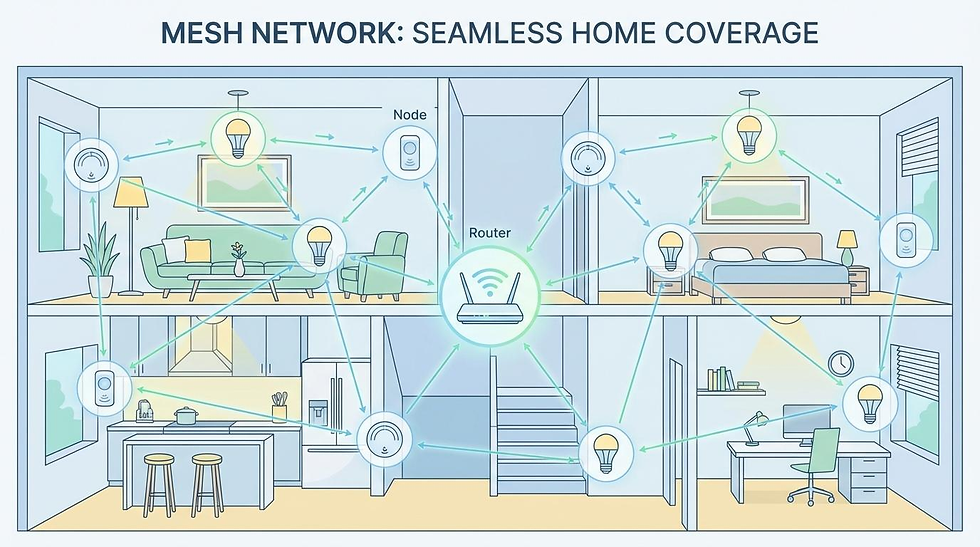
Low-power, wireless "mesh" networks that relay messages between devices, offering high reliability for lighting and basic sensors.
Matter & Thread
The emerging industry standard. Matter is the universal language for device interoperability. Thread is the modern, fast, stable mesh network protocol.
Wired (KNX/DALI)
The gold standard for professional builds, requiring dedicated data cables for 100% reliability and immunity to wireless interference.
Core Home Automation Systems
The true magic of automation happens when systems work together. Here are the four primary pillars:
1. Smart Lighting
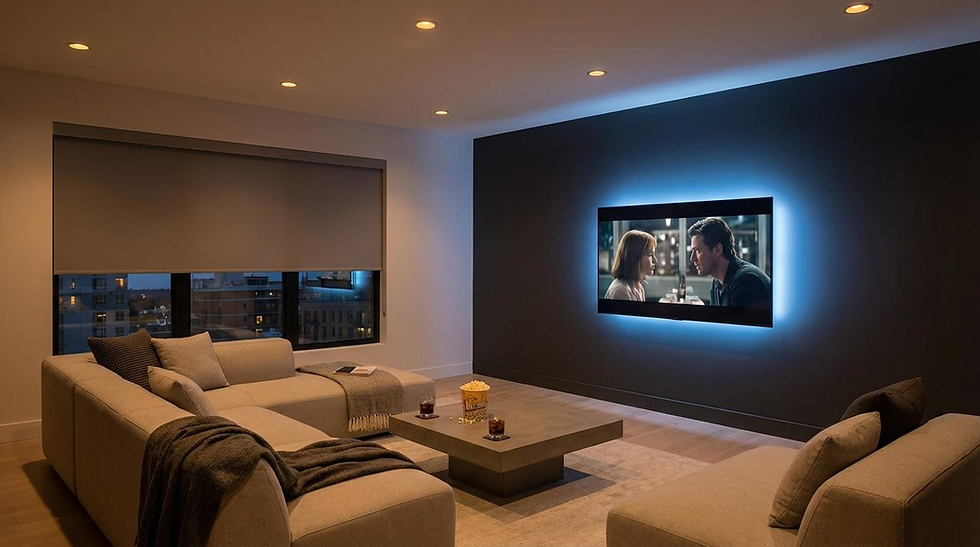
Enables "Scenes" where a single command can adjust multiple lights and shades simultaneously (e.g., "Movie Night").
2. Security & Safety
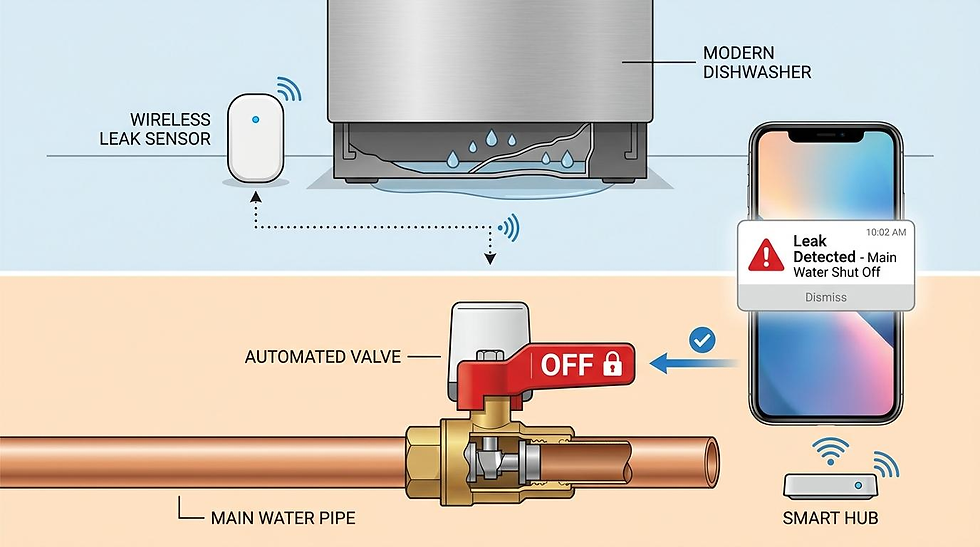
Includes keyless smart locks, video doorbells, and sensors that can automatically shut off main water valves.
3. Entertainment
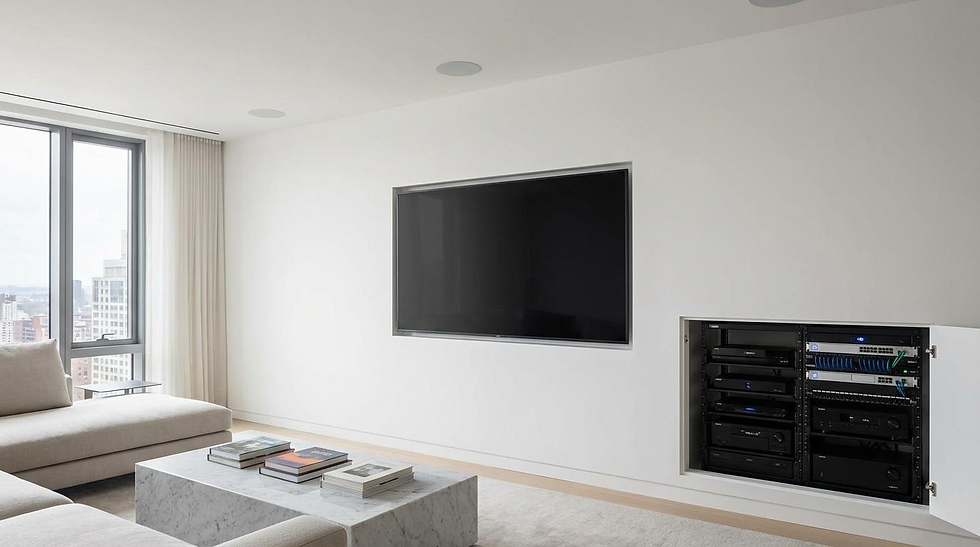
Centralized "AV Racks" hide hardware and distribute audio/video seamlessly to any room via hidden cables.
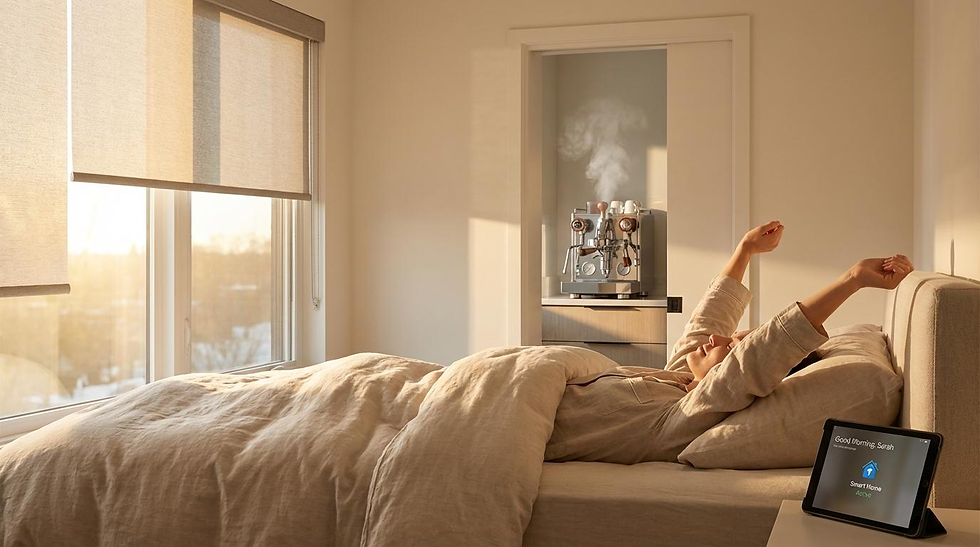
4. Climate & Automation
Smart thermostats learn routines and integrate occupancy sensors to maximize comfort and energy efficiency.
Professional Insights
For Homeowners:
Prioritize reliability and local processing for essential functions.
Don't get tricked by cheap pricing
For Designers & Architects:
Replace cluttered switch panels with single "Scene Keypads."
Mount keypads consistently at 1.2 meters for ergonomics.
Specify flush-mounted speakers to maintain design integrity.
For Project Managers & Electricians:
Plan infrastructure during the rough-in phase to avoid costly retrofitting.
Pull neutral wires at switch boxes and specify extra-deep back-boxes (at least 47mm).
The Future of the Smart Home
The smart home is shifting from human programming to AI-Driven Patterns where homes learn and anticipate occupant needs. Energy Management is becoming critical, with systems tracking consumption and disabling "vampire" appliances. The industry is moving towards Local Processing for enhanced privacy and speed.


Comments